The Complete Guide to Cold Chain Logistics: How Modern Businesses Protect Temperature-Sensitive Products
Today's businesses operate in an environment where product quality, customer expectations, and regulatory compliance are more demanding than ever. Whether it's frozen foods, dairy products, pharmaceuticals, fresh produce, or specialty chemicals, maintaining the right temperature throughout the supply chain is critical to protecting product integrity.
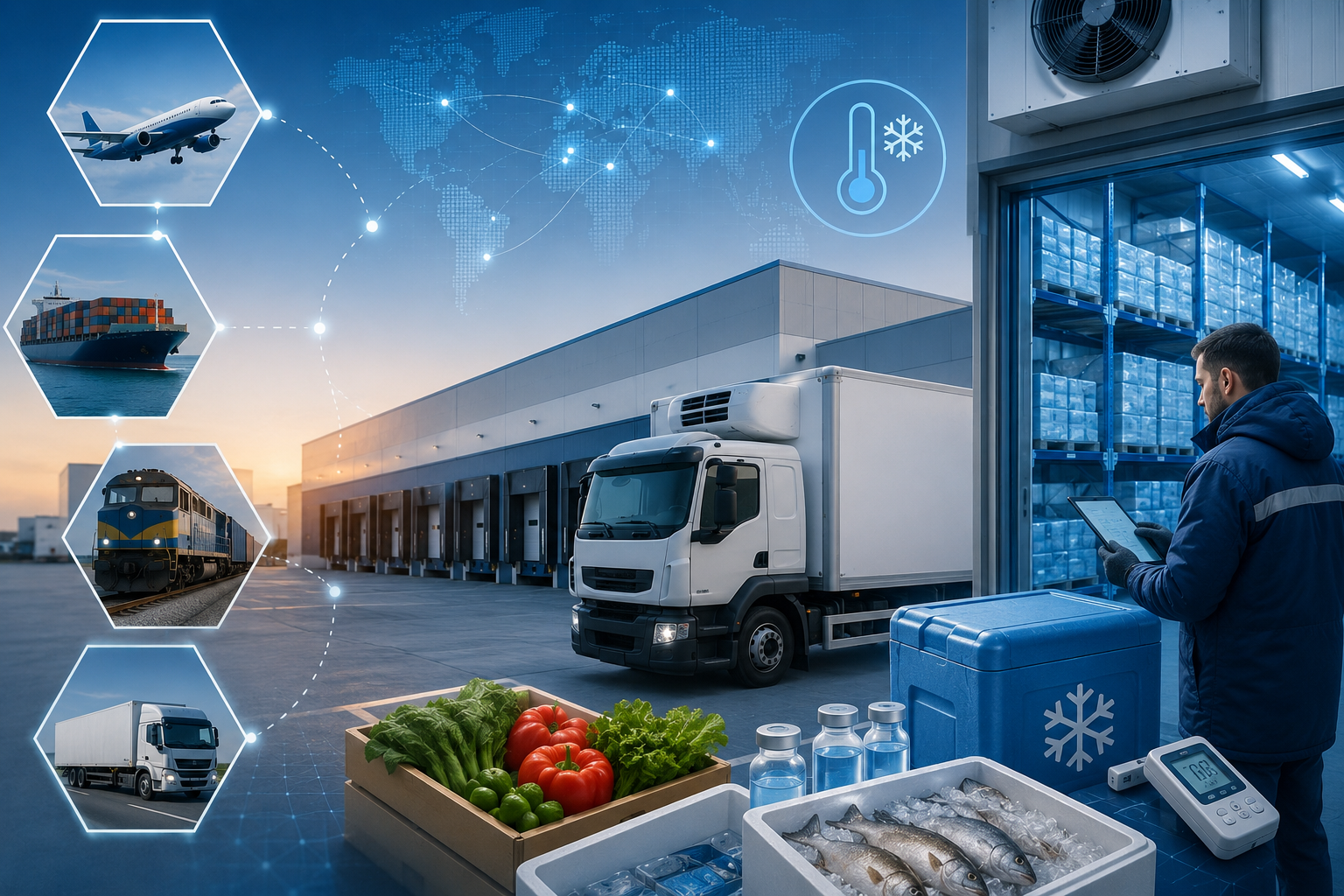
A successful cold chain isn't built around refrigerated vehicles alone. It is a carefully coordinated process involving storage, transportation, inventory management, monitoring, and distribution. Every stage must 1 work together to ensure products remain within their required temperature range from the moment they leave production until they reach the end customer.
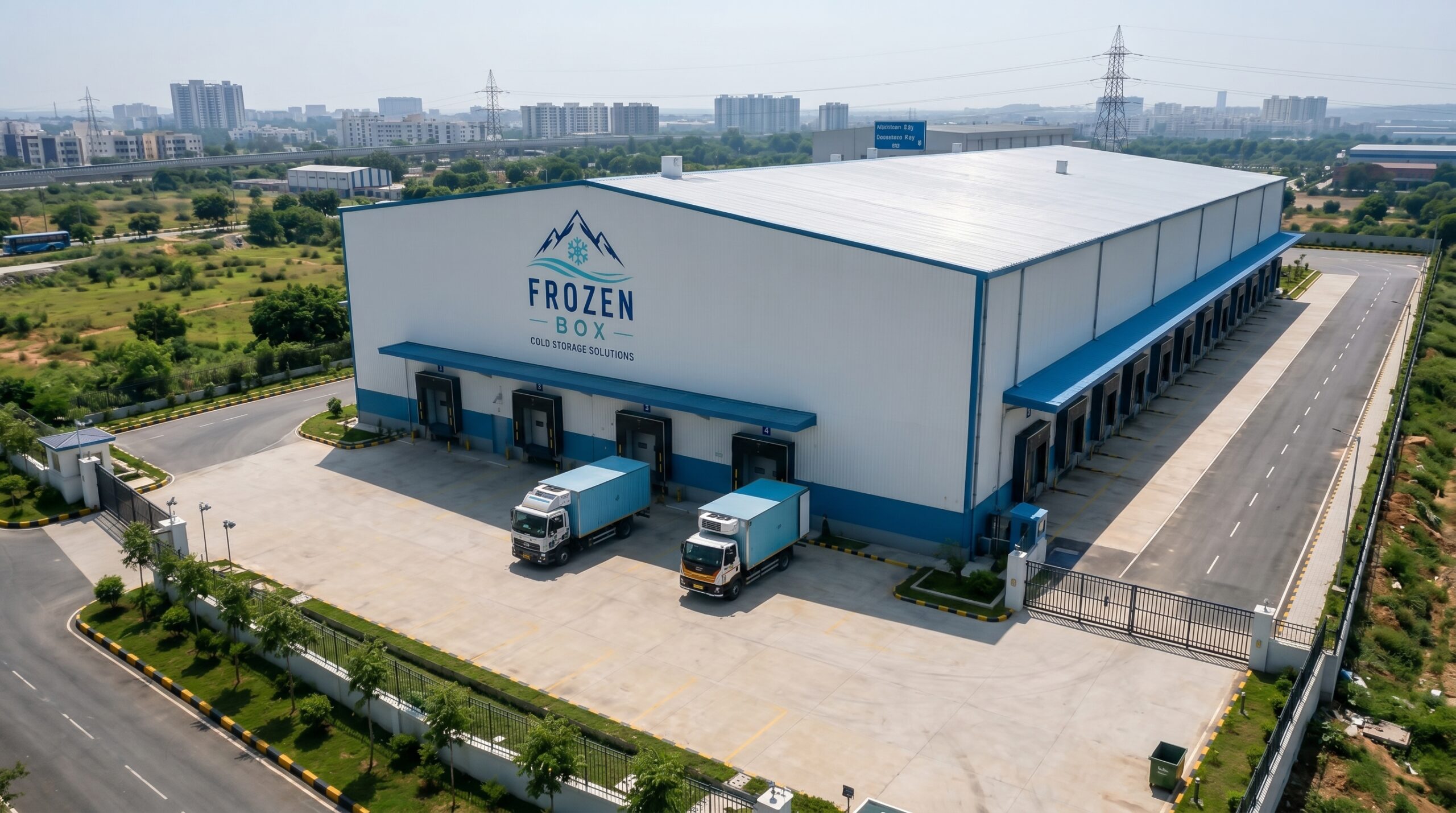
This is where integrated cold chain providers have transformed the logistics landscape. Rather than relying on multiple vendors for warehousing, transportation, and distribution, businesses increasingly prefer a single partner capable of managing the entire temperature-controlled supply chain. Companies such as FrozenBox are helping businesses simplify these operations by bringing multiple cold chain services together under one ecosystem, improving visibility while reducing operational complexity.
In this guide, we'll explore everything businesses need to know about Cold Chain Logistics, why it has become indispensable in today's economy, and how adopting the right strategies can improve efficiency, reduce waste, and protect valuable products.
Understanding Cold Chain Logistics
At its core, Cold Chain Logistics refers to the storage, handling, transportation, and distribution of
temperature-sensitive products under carefully controlled environmental conditions.
Unlike conventional logistics, where the primary objective is moving goods from one location to another,
cold chain logistics focuses equally on preserving product quality throughout the journey.
Maintaining an uninterrupted cold chain involves far more than refrigeration. It requires coordination
between infrastructure, technology, trained personnel, standardized operating procedures, and continuous
monitoring.
A complete cold chain ecosystem typically includes:
- Temperature-controlled
- warehousing
- Refrigerated transportation
- Inventory management systems
- Order fulfilment
- Distribution planning
- Real-time temperature monitoring
- Regulatory compliance
- Product traceability
When these elements operate seamlessly together, businesses can significantly reduce spoilage, improve
customer satisfaction, and strengthen supply chain resilience.
Providers such as FrozenBox integrate these services into a unified logistics framework, allowing
businesses to focus on growth while maintaining confidence that their products remain protected
throughout every stage of the journey.
Why Cold Chain Logistics Has Become Essential
Consumer expectations have changed dramatically over the last decade.
People expect fresh food throughout the year.
Hospitals require medicines that maintain their effectiveness.
Retailers depend on consistent inventory.
Restaurants cannot afford supply interruptions.
Manufacturers need reliable logistics partners who can maintain product quality while supporting business
expansion.
These expectations have made Cold Chain Logistics one of the fastest-growing sectors within global supply
chain management.
- Lower product spoilage
- Improved operational efficiency
- Greater inventory visibility
- Better regulatory compliance
- Higher customer satisfaction
- Reduced financial losses
- Stronger brand reputation
Organizations working with integrated logistics providers like FrozenBox also benefit from streamlined
operations, as warehousing, transportation, inventory management, and distribution can be managed
through a single coordinated system instead of multiple service providers.
This not only improves communication but also reduces delays, administrative complexity, and operational
risks.
Industries That Depend on Cold Chain Logistics
Cold chain logistics touches almost every aspect of modern life, often without consumers realizing it.
Food & Beverage
Frozen meals, processed foods, beverages, bakery products, chocolates, and ready-to-eat meals all require
precise temperature management throughout production, storage, and distribution.
Businesses operating in this sector rely on dependable cold chain infrastructure to preserve freshness while
extending product shelf life.
Integrated providers such as FrozenBox help food manufacturers maintain consistent quality through
advanced cold storage facilities, refrigerated transportation, and efficient distribution networks.
Dairy Products
Even minor fluctuations can impact freshness, taste, and safety.
Reliable cold storage, inventory management, and temperature-controlled transportation play a critical role in protecting these products from production facilities to retail shelves.
Meat, Poultry & Seafood
Product quality depends entirely on maintaining uninterrupted temperature conditions throughout storage, transportation, and distribution.
Modern cold chain providers, including FrozenBox, help businesses reduce spoilage while ensuring compliance with food safety standards through integrated logistics solutions.
Pharmaceuticals & Healthcare
Failure to maintain required temperatures can compromise effectiveness and create serious health risks.
Healthcare organizations increasingly partner with experienced cold chain specialists capable of delivering reliable storage, transportation, monitoring, and documentation services that support regulatory compliance.
Retail & FMCG
From warehouse inventory to final delivery, every stage influences both operational performance and customer experience.
Companies such as FrozenBox support retailers through integrated warehousing, inventory management, and distribution solutions that improve visibility while maintaining product quality.
In the next section, we'll explore the biggest challenges businesses face in cold chain logistics and the practical strategies used by industry leaders to overcome them.